
X-Rays
Rochester, NY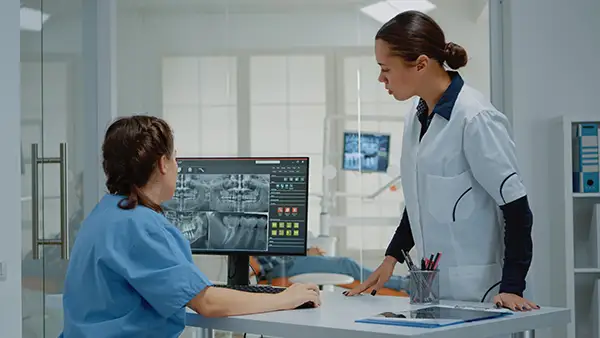
Dental X-rays are one of the most valuable tools used in modern dentistry. At Stephen L Ruchlin DDS, they allow us to look beyond what is visible during a routine dental exam and identify concerns that may otherwise go unnoticed. What Are Dental X-Rays?Dental X-rays are images that capture detailed views of the teeth, jawbone, and surrounding structures. Unlike a standard visual exam, which focuses on surfaces that can be seen directly, X-rays reveal areas beneath the gums, between teeth, and inside the bone. There are several types of dental X-rays, each serving a specific purpose. Bitewing X-rays focus on the upper and lower teeth in a specific area and are often used to detect cavities between teeth. Periapical X-rays show the entire tooth, from crown to root, and help evaluate the health of the tooth's root and surrounding bone. Panoramic X-rays provide a broader view of the entire mouth, including the jaw, sinuses, and developing teeth. How Dental X-Rays Have Changed Over TimeDental imaging has advanced significantly over the years. Traditional X-rays relied on film, which required developing time and produced images that could be difficult to adjust or enhance. These older methods also involved higher levels of radiation compared to modern technology. Today, most dental offices use digital X-rays. Digital imaging offers several advantages. Images are available almost instantly, which means they can be reviewed during the same visit. They can also be enlarged, adjusted for contrast, and shared easily when needed for referrals or treatment planning. Another important advancement is the reduction in radiation exposure. Digital X-rays use significantly less radiation than traditional film systems, making them a safer option for patients of all ages. This improvement has made it easier to incorporate X-rays into preventive care without unnecessary concern. In some cases, advanced imaging such as cone beam computed tomography may be used. This type of scan provides a three-dimensional view of the teeth and jaw, offering additional detail for complex cases such as dental implant planning or evaluating certain conditions within the bone. What Dental X-Rays Help DetectDental X-rays are essential for identifying a wide range of oral health concerns, many of which do not produce noticeable symptoms in the early stages. By capturing images beneath the surface, X-rays allow for earlier detection and more conservative treatment. Some of the most common issues identified through dental X-rays include:
By identifying these conditions early, treatment can often be simpler and more effective. Waiting until symptoms appear can lead to more extensive care, which is why regular imaging is an important part of preventive dentistry. How Often Are Dental X-Rays Needed?The frequency of dental X-rays depends on each patient's individual needs. There is no one-size-fits-all schedule. Factors such as age, oral health history, risk of decay, and current dental concerns all influence how often X-rays are recommended. For patients with a history of frequent cavities or ongoing dental concerns, X-rays may be taken more often to monitor changes and catch new issues early. Patients with stable oral health and a low risk of decay may need them less frequently. Children and adolescents may require X-rays more often than adults. Their teeth and jaws are still developing, and imaging helps track growth, ensure proper alignment, and identify any concerns with emerging teeth. New patients often receive a set of X-rays during their initial visit. These images provide a baseline for comparison and help guide any necessary treatment. Do You Need Dental X-Rays Every Year?Not every patient needs dental X-rays at every annual visit. The decision is based on clinical judgment and individual risk factors rather than a fixed timeline. For many patients, bitewing X-rays are recommended every one to two years to check for cavities between teeth. However, if a patient has a low risk of decay and maintains consistent oral health, the interval may be extended. On the other hand, patients with active dental issues, a history of frequent cavities, or certain medical conditions may benefit from more frequent imaging. X-rays may also be taken when specific symptoms arise, such as pain, swelling, or signs of infection. The goal is always to gather the information needed to provide accurate care while avoiding unnecessary exposure. At Stephen L Ruchlin DDS, we evaluate each patient individually and recommend X-rays only when they are likely to provide meaningful benefit. Safety and Patient ComfortOne of the most common questions about dental X-rays relates to safety. Modern dental imaging is designed with patient safety in mind. Digital technology has reduced radiation exposure to very low levels, making it comparable to everyday environmental exposure over a short period of time. Protective measures are also used during imaging. Lead aprons and thyroid collars help shield sensitive areas, adding an extra layer of protection. The equipment itself is carefully maintained and calibrated to ensure consistent and safe performance. The process of taking X-rays is quick and comfortable. Sensors or film are positioned in the mouth for a brief moment while the image is captured. Most patients find the experience easy and straightforward, especially with the improvements in digital technology. The Role of X-Rays in Preventive DentistryPreventive care is built on early detection and timely intervention. Dental X-rays play a central role in this approach by providing information that cannot be obtained through a visual exam alone. When combined with regular cleanings and exams, X-rays help create a complete picture of oral health. This allows for more accurate diagnoses and better planning for both preventive and restorative care. Early detection often means that treatment can be less invasive. A small cavity identified on an X-ray can be addressed before it grows larger and affects more of the tooth. Bone changes related to gum disease can be managed before significant damage occurs. By using X-rays thoughtfully and appropriately, dental care becomes more proactive and focused on preserving natural teeth and supporting long-term health. Personalized Recommendations for Every Patient
Every patient's oral health needs are different. Factors such as age, lifestyle, medical history, and dental history all play a role in determining the right approach to imaging. At Stephen L Ruchlin DDS, we take the time to review your individual situation and explain why X-rays are recommended when they are needed. Transparency and communication are important parts of the process, helping you feel informed and confident in your care. If you ever have questions about dental X-rays, their purpose, or how often they should be taken, those conversations are always welcome. Understanding the role of imaging can help you make informed decisions about your oral health and feel more comfortable during your visits. Dental X-rays remain a reliable and valuable part of modern dentistry, offering insight that supports accurate diagnosis, early treatment, and long-term care. |
 Stephen L Ruchlin DDS
Dr. Ruchlin 377 White Spruce Blvd Rochester, NY 14623-1603 O: (585) 427-7820 F: (585) 427-0849 Hours:
Monday: 8 am-5 pm Tuesday: 8 am-5 pm Wednesday: 8 am-5 pm Thursday: 8 am-5 pm Friday: By appointment |


